In a recorded No Man’s Land test, a Gunslinger stands in a wooded clearing. Jev has selected a house as the next build. A few seconds later, a mint-green cottage appears ahead of the character. The visible result is easy to spot. Establishing what the agent did takes a second look at the decision, the action sent to the game, and the recorded game state.
No Man’s Land, also presented as Western Art Play, is a generative Western world by Joseph Charles Epstein, known as Prince Zoho. This example comes from a recorded test in Witchlight Wood. It follows one selected build through to its result.
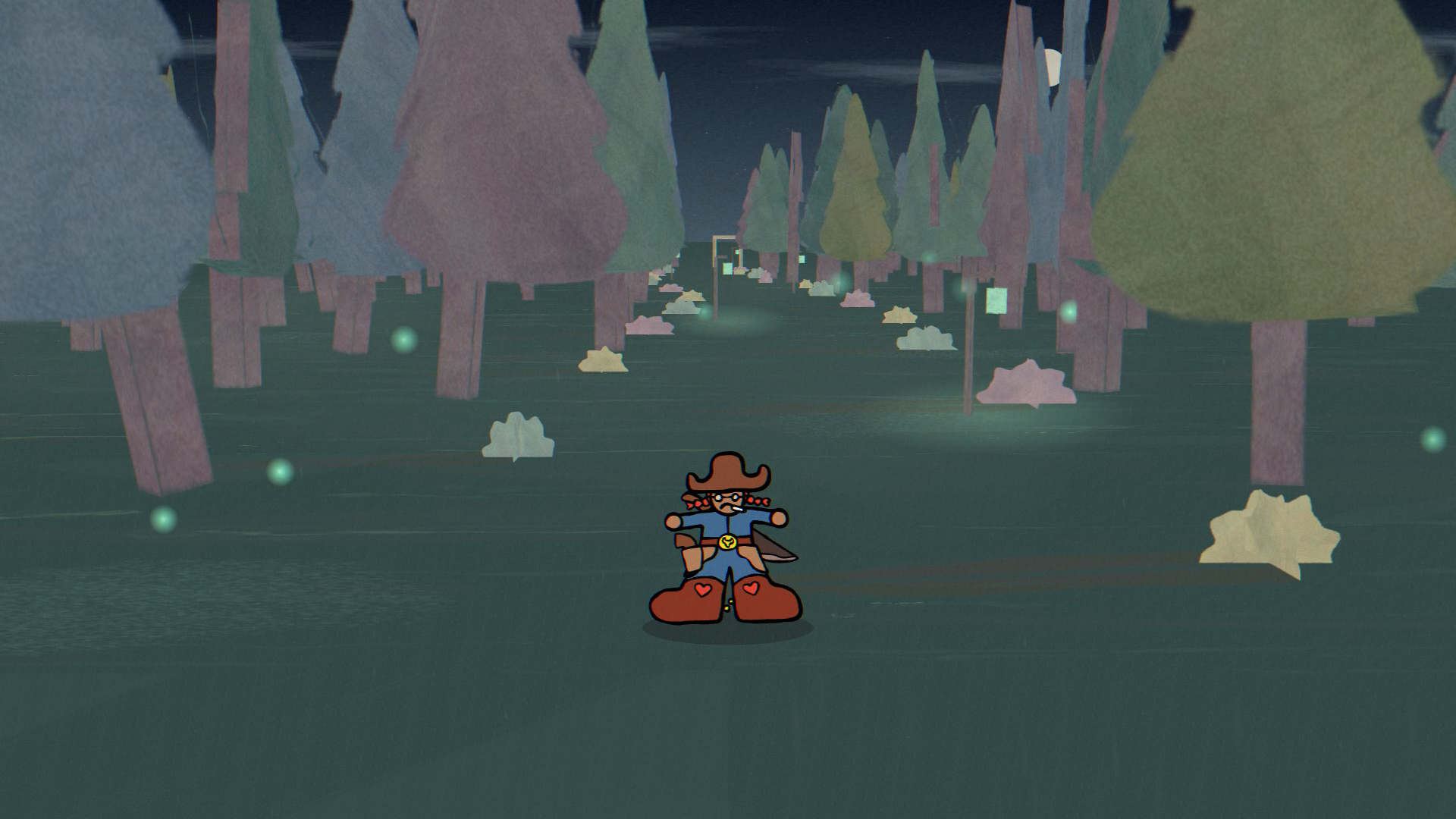
The decision records contain two separate choices. Jev’s Scout selected Witchlight as the destination; its Builder selected a house. Both records were saved before execution. At that point, they established what had been chosen. A reviewer would still need evidence that the game received the choice and carried it out.
For the house, the next evidence is a sequence of game inputs. About one second into the take, the capture sequence sent the house request to the game’s building control. At roughly 2.7 seconds, it confirmed the request with Enter. The choice came from Jev; this separate sequence applied it. Keeping those roles explicit makes the example possible to assess without assuming that the agent also operated every movement and confirmation.
The take includes state snapshots from before and after those inputs. Before the build, the scene’s build list was empty. Afterward, it contained one cottage. The new entry described its location, one story, a gable roof and a doorway associated with a house interior. Those details tie the result to a particular building, rather than leaving the reviewer with a success message alone.
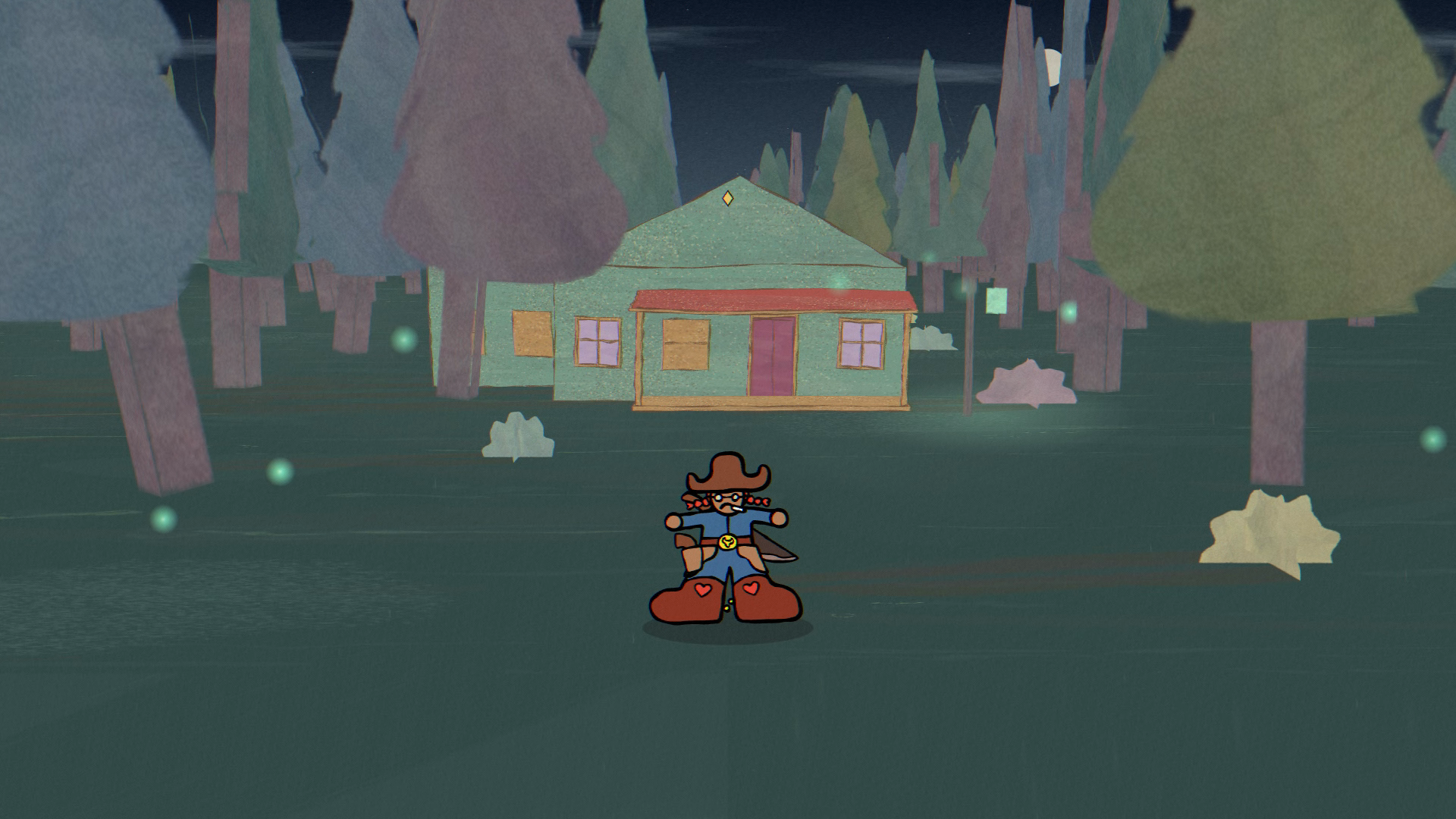
The footage supplies another check. These two frames come from the same take, before the later turn and forward movement. The character and surrounding trees remain in place while the cottage appears between them. The picture agrees with the change from zero builds to one. If the records showed a building but the image remained empty, the next step would be to inspect its placement and rendering.
The route choice has a narrower record. Both snapshots of the separate riding take identify Witchlight Wood, so the chosen destination was observed. The capture log does not retain the transition setup itself. That supports arrival in the selected place, but leaves the exact transition outside the recorded sequence.
A useful review of an agent action keeps these pieces together: what the agent chose, which input reached the game, and what changed afterward. Record the state before the action as well as after it. Otherwise, an object that was already present can be mistaken for a successful new build. Keep the original take alongside selected screenshots so movement, timing and intermediate states can still be examined.
This test establishes one completed cottage build during the recorded session. A durable shared-world claim would require further observations: reload the scene, return to the same place, and check it from another player’s session. The doorway recorded with the cottage would also need an entry test before claiming that its interior had been explored.
See the world and its films on the Western Art Play project page, or enter No Man’s Land. For a closer look at how a related landscape is drawn, read How a JavaScript landscape moves.