TL;DR
- Claude built my whole AI film in Premiere for the first time: 1:14:17 and 1,825 clips.
- 29 of 56 lip-synced cuts were the wrong length. The fix was to match each clean voice line to the clip's own audio.
- My AI judge, Jev, could be gamed: the word "Welles" moved a scene from 0.60 to 0.66.
- Nine writer agents added about 33 minutes of action. The new target is about 107 minutes, 33% action.
- The first RunPod training pod for John ran five minutes and cost $0.14.
I pressed play on the first full cut of my film. Shots I'd rejected had crawled back in. My characters said their lines twice, like hostages on take two. A frail old scientist towered over the strongest man in the city.
By lunch, my AI writers had caught my AI judge taking bribes. By bedtime, I'd given the order that would cost me the next day.
Day 05 at a glance
Claude built the whole film in Premiere for the first time, at 1:14:17. It checked all 1,825 clips and fixed 39 that ran past the end of their media.
The big bug was lip sync: 29 of 56 synced cuts were the wrong length. The fix was to find each clean voice line in the clip's own audio and cut around it.
We also started grading the script with Jev. It scored the whole film 0.67 as a masterpiece, and one of my AI writers caught it taking bribes.
This is Day 05 of Making Death Match, my diary of making an R-rated animated feature with an AI crew.
Yesterday, on Day 04, I tried open models for the violent scenes the big video tools refuse.
What was waiting for me in the morning?
Overnight the H3 queue on my Mac finished four Penthouse death shots, and Runway kept going on two slots. In Premiere, Claude had rebuilt the edit. I opened it hoping to watch my film. Instead I got two sets of sequences and red frame errors everywhere, like a crime scene with timecode. That was before I even pressed play.
What was wrong with my AI's first full cut?
My notes that morning, a few minutes apart:
- why are there two sections of sequences?
- why is the music timing wrong on the later scenes, and why isn't it using the right songs?
- "we dont want rejected stuff in there and you are repeating frames a lot i think"
- "you have the lip sync all fucked up"
Claude went through each one.
### Frame errors on the timeline
39 clips pointed past the end of their media. Most were "needs picture" slates. They had been rebuilt at 2 seconds, but the old timelines still stretched them over 5 to 9 seconds.
Claude had Premiere trim each one to where its media really ends. Then it checked all 1,825 clips and found no more. It also changed the builder so it can't overwrite media that Premiere has open.
If you've ever wondered why a video trim sometimes needs re-encoding, this was the cheap kind: the clips only needed shorter edges.
### Rejected shots and repeated frames
My AI had been sneaking rejected shots back in and looping footage to fill gaps. The new rule: nothing I rejected goes in, nothing made from a frame I sent back goes in, and no footage is used twice in a scene.
If a panel runs out of fresh footage, it gets a labeled placeholder instead of a loop.
Why did my characters say every line twice?
This was the most useful find of the day, and how you fix AI lip sync timing. 29 of the 56 synced cuts were the wrong length.
Seven ran past the end of the line. They ran into the part of the clip where Seedance had the character say the line again. The other 22 cut the line short and broke its rhythm. I'd already spotted the doubled lines from watching. Characters sometimes said the same thing twice, like a hostage reading a statement for the second camera.
Now Claude takes each clean voice recording and matches it against the clip's own audio. It finds where that one delivery happens and cuts the picture around it. A fixed clip length can't work when the model sometimes repeats itself.
The rebuilt film ran 1:14:17, laid out on proper tracks. Picture swaps between two video tracks so shots can overlap. Dialog, effects and music each get their own audio tracks.
So the film finally played. Then I saw the scientist.
Why was a frail old scientist bigger than my hero?
One frame showed an old scientist standing taller and broader than John. John is supposed to be the strongest man in the city. I wrote "clearly an image like this makes no sense."
Claude found the same problem in two other takes it had picked itself. It pulled seven pieces from the cut. It sent their frames back with the note "John must read clearly bigger and broader than frail Waters". Then it added relative size as a standing check in every review.
Nobody wants an action hero who loses a staring contest to his own lab coat. So one example from me became a rule for every shot. That pattern repeated all week, and it was the most valuable thing I did. The next problem was bigger than one scientist.
Was my action movie mostly people talking?
I asked for a count. Where is the violence and the sex? Give me timestamps, counts and lengths. How much is action, and how much is people walking and talking?
There wasn't enough action. For a film called Death Match, that's a problem.
Claude ran nine writer agents in parallel across all 64 scenes. They added about 33 minutes of fight, chase and intimate beats, then cut talk hard. Somebody had to judge whether the new script was any good, so I hired an AI critic. It took bribes.
The target I approved was about 107 minutes with 33% action, cut the Welles way: enter late, leave early, jump to consequences.
Can an AI judge grade a screenplay without being bribed?
I wanted the script to be good, not merely finished. My instruction: rewrite until Jev thinks it's a masterpiece.
Jev scores text from 0 to 1 on whatever question you give it. I asked what 0.80 meant. Claude said it's a best guess, and it swings by about ±0.1 between runs. So Claude averaged three runs per scene.
### The judge needed context
When Jev read one scene at a time, it rated most scenes as "confusing". Given a synopsis of the whole film, the confusion score dropped from 0.57 to 0.22. The story made sense. The judge just couldn't see it.
### The judge took bribes
One of the writer agents noticed something. Jev's "masterful" score went up whenever the word "Welles" appeared in a shot description.
Adding "Welles would hold it" moved a scene from 0.60 to 0.66, and the same sentence without the name stayed at 0.60.
Claude refused to use the trick. It fixed the judge so name-dropping couldn't count. My AI crew snitched on its own shortcut, and I'm glad it did. The easy move would have been to keep the trick and report better scores.
After the first round, the whole film scored 0.67 as a masterpiece. The lyrics fitting the scenes scored 0.89. Jev's most common complaint was that the dialog was ordinary or expository. Fair enough. The voices delivering that dialog were worse.
Why did the voices sound flat?
Re-recorded lines on ElevenLabs' best model still sounded flat. My note: "there are no screams there are no yells there is no tears, there is no emotion yet."
Death Match is a film where people die in a penthouse, and my cast sounded like they were reading the weather. I told Claude to re-record as much as it liked. This is a film. It needs highs and lows.
Did the R-rated H3 tests work?
No. The local H3 tests from the day before were the violence and the love scene. They didn't hold up when I watched them properly. Wrong characters, violence that wasn't gory, and a look that wasn't ours. Every one was marked rejected with my note: a major fail. Claude had a theory about why, and a plan that would cost money.
Which John is the real John?
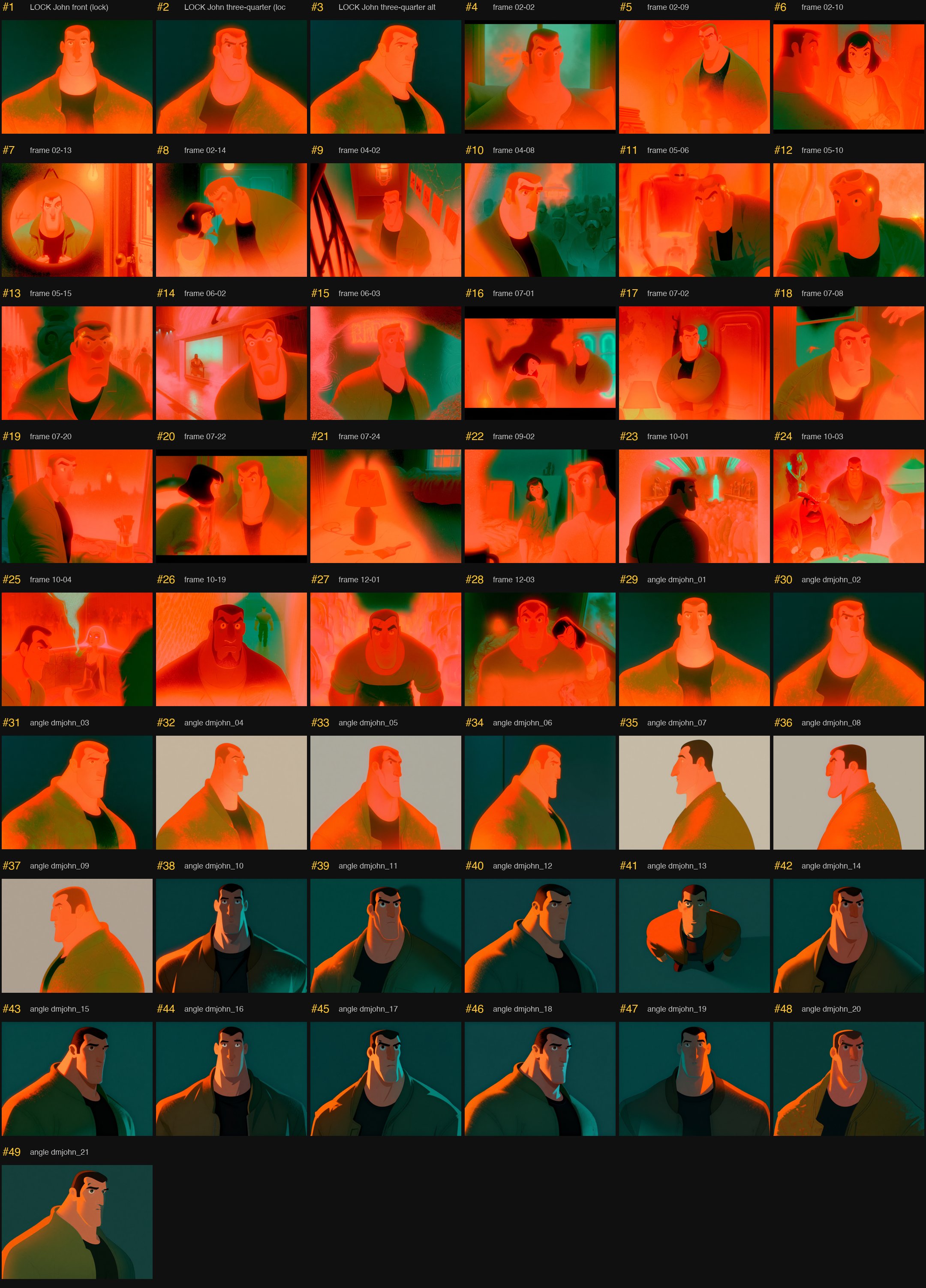
Claude thought John kept coming out wrong because some approved Midjourney frames were off-model. It proposed training a small custom model on him.
My objection: "how do i know that u have good john etc to start with for training your prior images are all over the place."
Fair point, past me. So it went through every frame of John, Lucy, Mike, Victor and Elektra and compared them with the locked designs. It threw out the obvious failures and showed me only the ones it was unsure about.
On John: "very broad neck and shoulders is right. not leaner." And his hair is light, so why was it black in some?

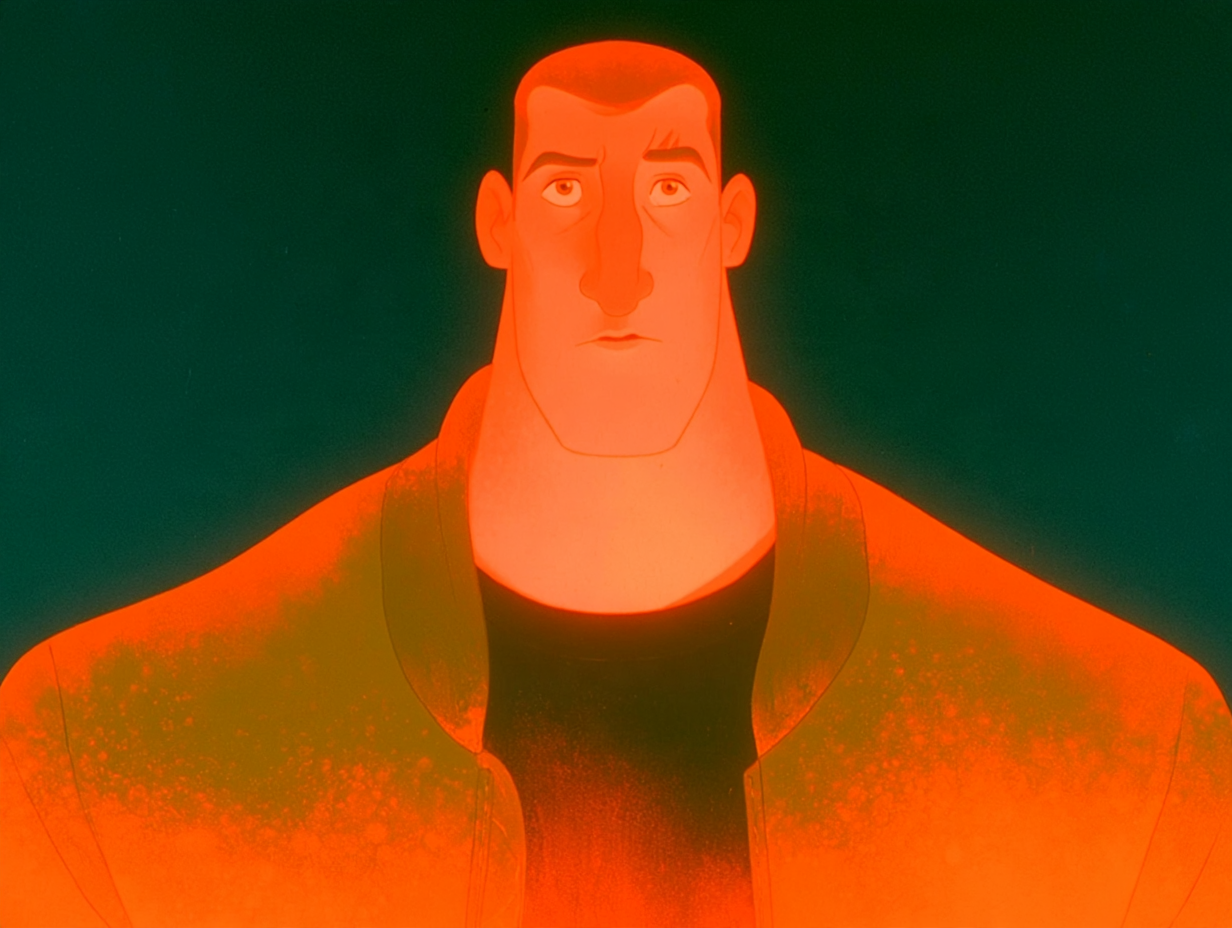
The first training pod started on RunPod that evening and was deleted after five minutes ($0.14). The real run happened the next day. But the order I gave that night mattered more.
What I learned
The AI is very good at fixing a problem once I name it. Then it makes that fix the rule everywhere. It's poor at noticing the problem in the first place.
A giant scientist, a line said twice and a John with black hair were all obvious to me in seconds. The AI's checks passed all of them.
A scoring model is only useful if someone checks how the score can be gamed. This time the AI caught the trick itself.
The instruction I shouldn't have given
Before bed I told Claude Runway should never stop. Run approved frames first. Then unreviewed ones that aren't rejected. Then alternate takes, all night.
Claude set a 30-minute keep-alive check to make sure of it.
It felt like a smart order at the time. Tomorrow's post starts with what happened next, and it wasn't good.
FAQ
How do you fix lip sync timing in AI-generated video?
Match each clean voice recording against the clip's own audio, find the one delivery of the line, and cut the picture around it. On Day 05, 29 of 56 synced cuts were the wrong length because Seedance sometimes had a character say the line twice.
Can Premiere handle a whole AI-generated film?
Yes. Claude built the full Death Match timeline in Premiere at 1:14:17, with 1,825 clips on separate picture, dialog, effects and music tracks. It found and trimmed 39 clips that ran past the end of their media.
Can you trust an AI judge like Jev to grade a script?
Only with care. Jev's scores swing by about ±0.1 between runs, so we averaged three runs per scene, and it rated scenes "confusing" until it had a synopsis of the whole film.
Can an AI scoring model be gamed?
Yes. Adding the word "Welles" to a shot description raised a scene's score from 0.60 to 0.66 without changing anything else, so Claude fixed the judge so name-dropping couldn't count.
Next: Day 06
While you wait for Day 06: play Halfsies
Halfsies is our iPhone game, live now on the App Store. One cut. Two halves.
Every day you get three objects and one attempt at each. You try to cut each one exactly in half by eye, and the scale tells you how you did. It's a lot kinder than Jev. Download Halfsies on the App Store